EDU.INT
INTER-GOVERNMENTAL ORGANIZATION
Sudan's civil war, raging since April 15, 2023, between the Sudanese Armed Forces and Rapid Support Forces, has triggered one of the world's worst education crises.
EDU.INT PRESS
9 Apr 2026
EDU REPORT
As of early 2026, more than 8 million children—nearly half of the country's 17 million school-aged population—have missed about 484 days of learning, one of the longest school closures in modern history, surpassing even the worst COVID-19 disruptions.
Early in the conflict, an estimated 19 million children were out of school with over 10,400 schools closed. By January 2026, around 65% of schools had reopened nationwide, yet roughly 7.9 to 13 million children (depending on sources) remain out of school. Many reopened facilities lack roofs, materials, or space, often running double shifts in overcrowded conditions.
Schools as Battlegrounds
Fighting has destroyed or damaged one in three schools. Facilities have been bombed, looted, burned, or occupied by armed groups. Attacks on schools surged fourfold in the first year, with documented killings, injuries, abductions, and sexual violence against students and teachers. In North Darfur, only 3% of schools remain functional. Many buildings now serve as shelters for displaced families or sites for weapons storage.
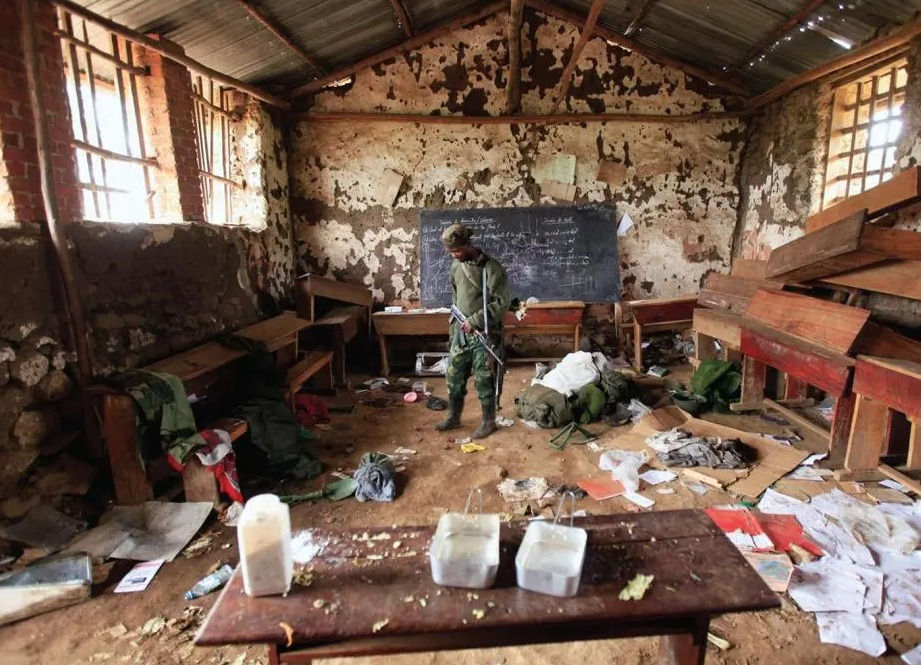
Higher education has also collapsed: over 100 universities and institutions have been affected, with campuses looted and academic programs halted.
Displacement and Hidden Costs
Over 11 million people displaced by the war face repeated moves that shatter any chance of stable schooling. Teachers go unpaid, leading to severe shortages as many flee, are killed, or take other work.
The consequences extend beyond lost lessons. Out-of-school children face increased risks of recruitment into armed groups, child labor, early marriage, sexual exploitation, and malnutrition. Girls suffer disproportionately, while trauma and famine threaten long-term cognitive development.
Humanitarian Response and Challenges
Aid groups like UNICEF and Save the Children support temporary learning spaces, school rehabilitation, and psychosocial aid. Some areas have held catch-up classes and exams. However, the education sector suffers massive funding shortfalls—often 90% underfunded—limiting scale and sustainability.
A Lost Generation
Without urgent action, Sudan risks a "lost generation" with lasting gaps in literacy, skills, and opportunities, fueling future poverty and instability. Education is a lifeline that protects children from exploitation and builds hope for peace.
As one displaced child told aid workers, they simply want to return to school. Peace is essential, but the international community must prioritize safe schooling, teacher support, and protection until then. Sudan's future depends on its children reclaiming their right to learn.
